
Have you ever wondered how to transform your kitchen scraps into a thriving, nutrient-dense garden that can significantly reduce your grocery bills? Growing Swiss chard at home is one of the most rewarding and cost-effective ways to cultivate fresh, organic vegetables year-round.
This vibrant leafy green not only provides exceptional nutritional value but also serves as a beautiful ornamental addition to any garden space. Swiss chard cultivation offers incredible versatility, allowing both novice and experienced gardeners to enjoy fresh greens while potentially qualifying for various training deductible opportunities through agricultural education programs. Understanding proper growing techniques and tracking your deductible expenses can make home gardening both personally fulfilling and financially beneficial.
Materials & Supplies
To successfully grow Swiss chard at home, you’ll need several essential materials and tools. Start with high-quality Swiss chard seeds or seedlings from reputable suppliers. Choose varieties like ‘Bright Lights’ for colorful stems or ‘Fordhook Giant’ for larger leaves.
Essential Items:
– Swiss chard seeds or transplants
– Well-draining potting soil or compost-rich garden soil
– Containers (12+ inches deep) or garden beds
– Balanced organic fertilizer (10-10-10 NPK ratio)
– Watering can or hose with gentle spray attachment
– Small garden trowel or hand cultivator
– Measuring tape for proper spacing
Optional Supplies:
– Row covers for protection against pests
– Mulch for moisture retention
– pH testing kit (optimal range: 6.0-7.0)
– Liquid fertilizer for supplemental feeding
– Garden labels for variety identification
– Harvesting scissors or sharp knife
Alternative Options:
Consider using recycled containers like large yogurt tubs or wooden crates for container gardening. Coconut coir or peat moss can substitute for commercial potting mix when combined with compost.
Timing / Growing Schedule
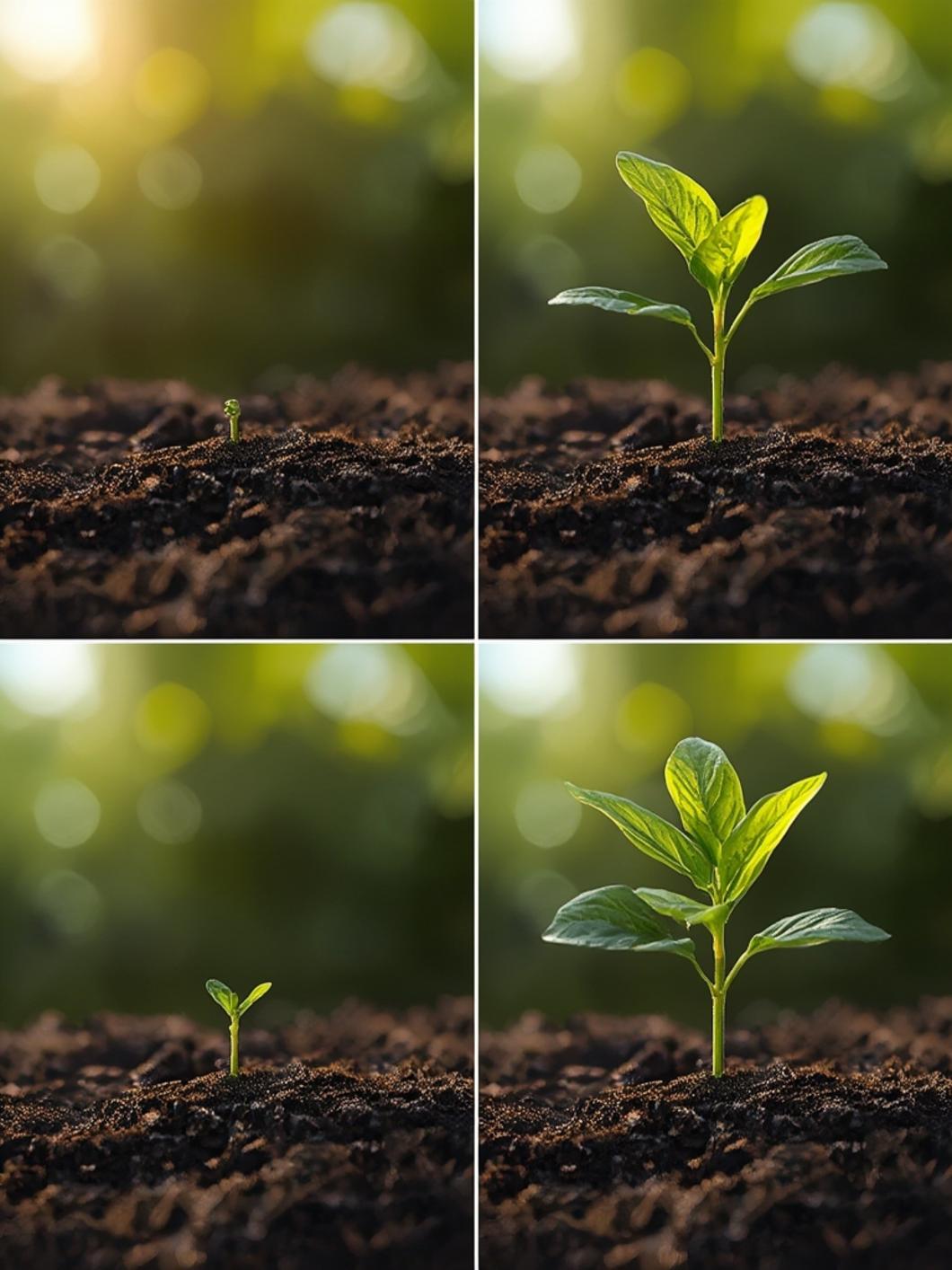
Swiss chard thrives in cool weather, making it an excellent choice for extended growing seasons. Preparation time: 1-2 hours for seed starting or transplanting. Growth period: 50-60 days from seed to harvest, with baby leaves ready in 25-30 days.
Seasonal Timing:
– Spring planting: 2-4 weeks before last frost
– Summer succession: Plant every 2-3 weeks for continuous harvest
– Fall planting: 10-12 weeks before first expected frost
– Winter growing: Possible in zones 7-11 with protection
Expected harvest timeline: First harvest occurs 4-5 weeks after planting, with continuous harvesting possible for 3-4 months. Unlike single-harvest crops, Swiss chard provides ongoing yields when properly maintained, making it comparable to other cut-and-come-again vegetables like lettuce and spinach.
Step-by-Step Instructions
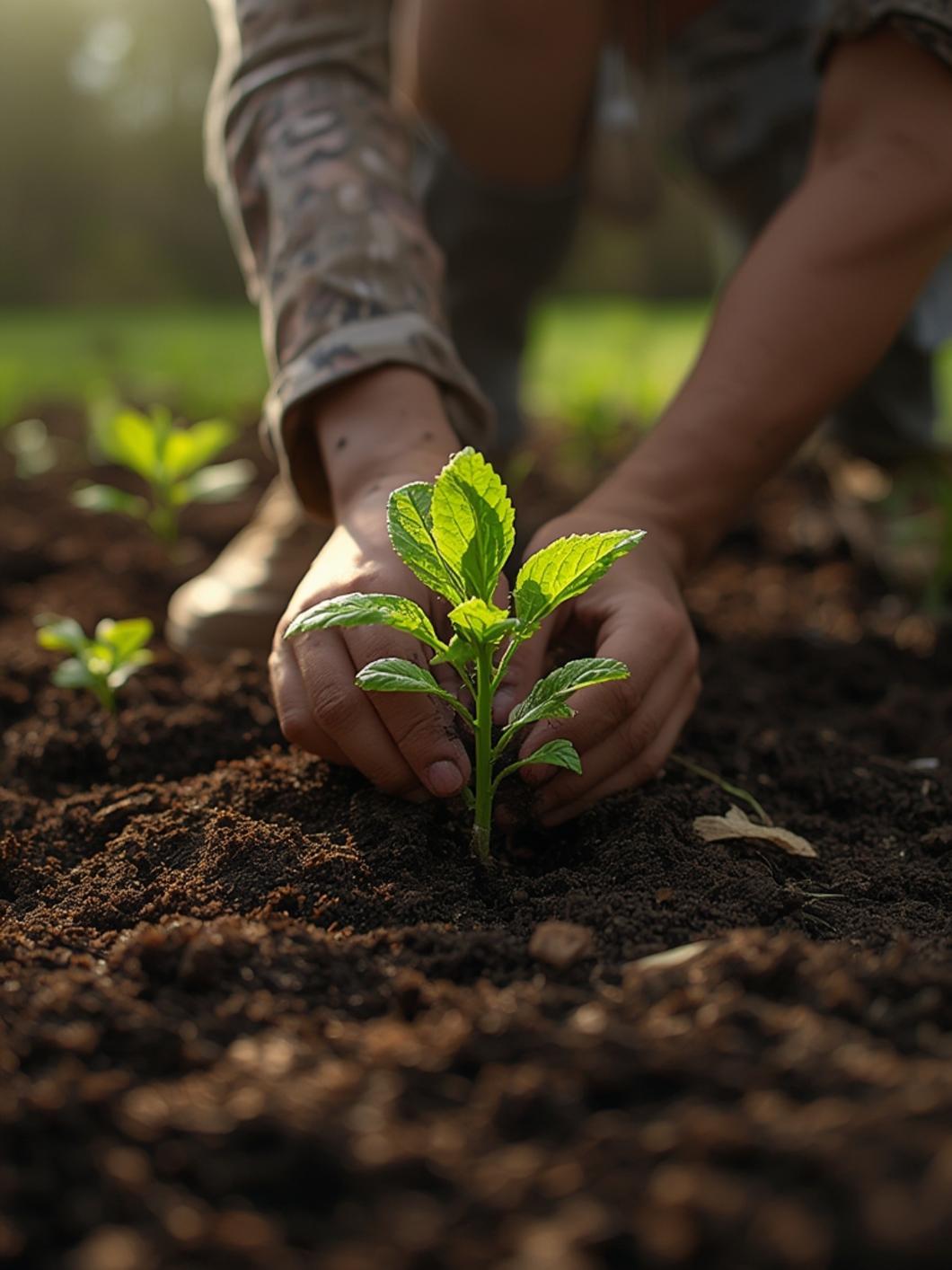
Step 1: Soil Preparation
Prepare your planting area by loosening soil to 8-10 inches deep. Mix in 2-3 inches of compost or well-rotted manure. Swiss chard cultivation requires well-draining soil with good organic matter content.
Step 2: Seed Planting
Plant seeds ½ inch deep, spacing them 2-3 inches apart in rows 12-18 inches apart. Each seed is actually a cluster, so expect multiple seedlings per planting spot. Water gently but thoroughly after planting.
Step 3: Germination Care
Maintain consistent moisture for 7-14 days until germination occurs. Keep soil temperature between 50-75°F for optimal sprouting. Those pursuing agricultural education can often document these activities for training deductible purposes.
Step 4: Thinning and Spacing
When seedlings reach 2-3 inches tall, thin to 6-8 inches apart. Use thinned seedlings as microgreens rather than discarding them.
Step 5: Ongoing Care
Water regularly, providing 1-2 inches per week. Apply balanced fertilizer every 3-4 weeks. Keep accurate records of all gardening deductible expenses for potential tax benefits.
Nutritional Benefits / Advantages
Swiss chard delivers exceptional nutritional density, containing high levels of vitamins K, A, and C, plus significant amounts of magnesium, potassium, and iron. A single cup provides over 700% of daily vitamin K requirements and substantial antioxidants including beta-carotene and lutein.
Health Advantages:
– Supports bone health through vitamin K content
– Promotes eye health with lutein and zeaxanthin
– Provides anti-inflammatory compounds
– Supports cardiovascular health
– Low calorie density (only 7 calories per cup)
Environmental Benefits:
Growing Swiss chard at home reduces transportation emissions, packaging waste, and pesticide exposure while supporting local biodiversity through pollinator-friendly flowers if allowed to bolt.
Tips, Alternative Methods, or Gardening Advice
Container Gardening: Use containers minimum 12 inches deep and 8 inches wide. Ensure adequate drainage holes and use quality potting mix rather than garden soil.
Indoor Growing: Swiss chard adapts well to indoor cultivation under grow lights. Provide 4-6 hours of direct sunlight or 12-14 hours of LED lighting daily.
Succession Planting: Plant new seeds every 2-3 weeks for continuous harvest throughout the growing season.
Companion Planting: Swiss chard grows well with tomatoes, carrots, lettuce, and herbs. Avoid planting near pole beans or tall plants that create excessive shade.
Climate Adaptations: In hot climates, provide afternoon shade. In cold regions, use row covers or cold frames to extend the growing season.
Common Mistakes to Avoid

Overcrowding: Insufficient spacing leads to poor air circulation and increased disease risk. Always thin seedlings to proper distances.
Overwatering: Swiss chard prefers consistent moisture but not waterlogged soil. Check soil moisture before watering.
Poor Timing: Planting too early in cold soil or too late before hot weather reduces success rates significantly.
Neglecting Fertilization: Swiss chard requires regular feeding for optimal leaf production. Nitrogen deficiency causes yellowing and poor growth.
Harvesting Incorrectly: Cutting too low or harvesting entire plants prevents regrowth. Always leave the crown intact for continued production.
Storage / Maintenance Tips
Fresh Storage: Store harvested leaves in the refrigerator for up to one week. Wrap in damp paper towels and place in perforated plastic bags.
Preservation Methods: Blanch and freeze leaves for long-term storage. Swiss chard can also be dehydrated or preserved through lacto-fermentation.
Ongoing Care: Water consistently, maintaining soil moisture without waterlogging. Side-dress with compost monthly during active growth periods.
Seasonal Maintenance: Remove flower stalks to encourage leaf production. In fall, protect plants with row covers to extend harvest season.
Winter Care: In cold climates, harvest remaining leaves before hard frost. In mild areas, Swiss chard often overwinters with minimal protection.
Conclusion
Successfully growing Swiss chard at home provides fresh, nutritious greens while offering valuable hands-on experience with sustainable food production. This versatile crop delivers exceptional nutritional benefits, requires minimal space, and provides months of continuous harvest with proper care. Swiss chard cultivation can serve as an excellent foundation for expanding your home gardening skills and knowledge base. Whether you’re documenting your journey for potential training deductible opportunities or simply tracking your gardening deductible expenses, growing Swiss chard represents a practical step toward food independence and environmental stewardship. Start your Swiss chard garden today and discover the satisfaction of harvesting fresh, homegrown vegetables from your own backyard or windowsill.
FAQs
Q: How often should I harvest Swiss chard leaves?
A: Harvest outer leaves every 1-2 weeks, cutting them 1-2 inches above soil level. This encourages continuous growth from the center crown.
Q: Can Swiss chard tolerate frost?
A: Swiss chard tolerates light frost (down to 28°F) and actually develops sweeter flavor after mild cold exposure. Provide protection during hard freezes.
Q: Why are my Swiss chard leaves yellowing?
A: Yellowing typically indicates nitrogen deficiency, overwatering, or natural aging of older leaves. Apply balanced fertilizer and ensure proper drainage.
Q: How much space does each Swiss chard plant need?
A: Allow 6-8 inches between plants and 12-18 inches between rows for optimal growth and air circulation.
Q: Can I grow Swiss chard indoors year-round?
A: Yes, Swiss chard grows well indoors under grow lights or in sunny windows, making it an excellent choice for year-round fresh greens production.